The interrogation of a captured agent
The Security Service view of a man dropped by parachute — they had his cover story on file and knew almost to the hour when he would arrive.
He came down in a ploughed field a few miles inland, folded his parachute with the neatness of a man who had been well trained, and buried it under a hedge. Within the hour he was walking along a country road with a cheap suitcase and a set of papers that were, on the face of it, entirely in order.
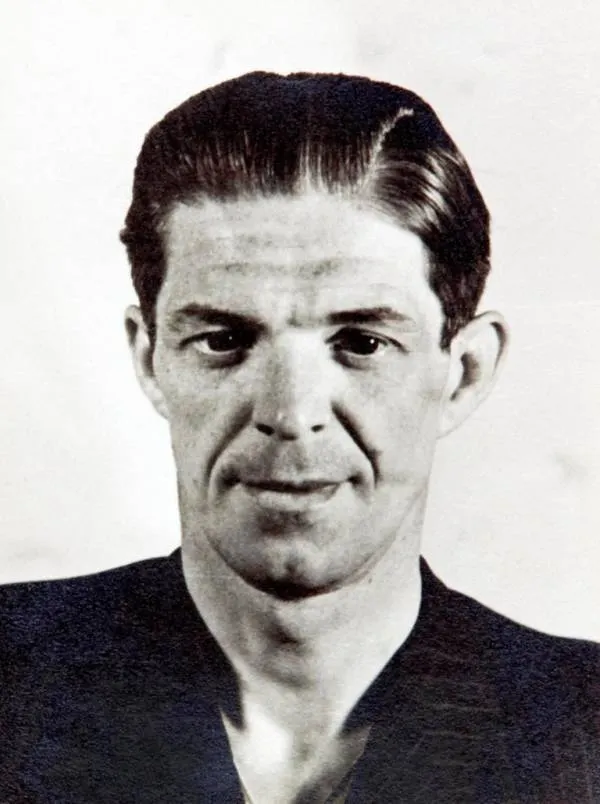
What he did not know was that the officers who would question him that evening already had a thin folder with his photograph in it. His arrival had been signalled well in advance, and the men waiting for him had read his cover story before he had a chance to tell it.
The interrogation itself was quiet and unhurried. There was no shouting and no threat; there did not need to be. The interviewing officer simply worked through the papers one at a time, asking small, ordinary questions — where he had bought his railway ticket, what he had eaten that morning, the name of the street he claimed to have lived on — and waiting for the answers to contradict one another.
"The good ones," one officer wrote, "give themselves away not with a lie but with too much truth. They have rehearsed an answer to every question except the dull one, and it is the dull question that undoes them."
By midnight the man had understood that his story was gone, and with it the pretence. What followed — the choice he was offered, and the use to which a turned agent might be put — belonged to a part of the war that would not be spoken of for many years.